Recognising the Invisible: Professionals as the First Step Towards Support
Violence does not always leave bruises. But it always leaves traces.
Sometimes these traces are difficult to recognise and remain hidden behind everyday problems, silence, or fear.
This is why the role of professionals who interact with women who have experienced violence on a daily basis is so important. Social workers, doctors, nurses, and teachers are often among the first people who can notice a change in behaviour, a warning sign, or another indication that a woman may need support.
From Recognition to Support
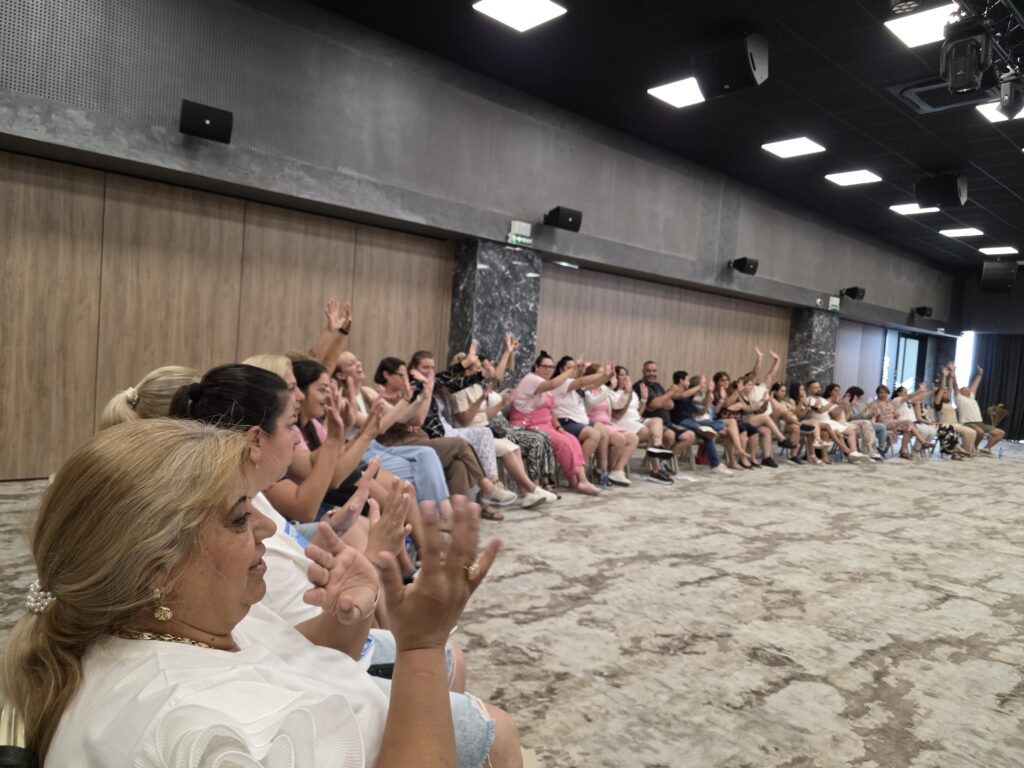
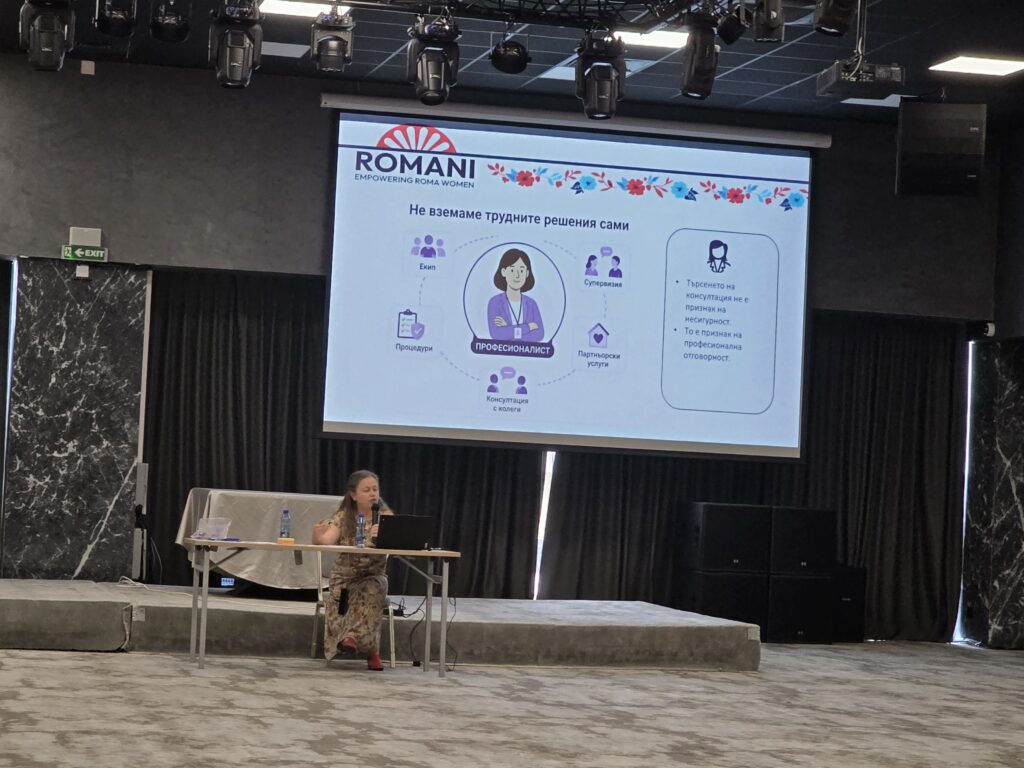
On 17 and 18 June, as part of the ROMANI project – “Connecting Roma Women with Health and Violence Prevention Services”, we held a specialised training attended by representatives of 8 social services and 2 medical facilities.
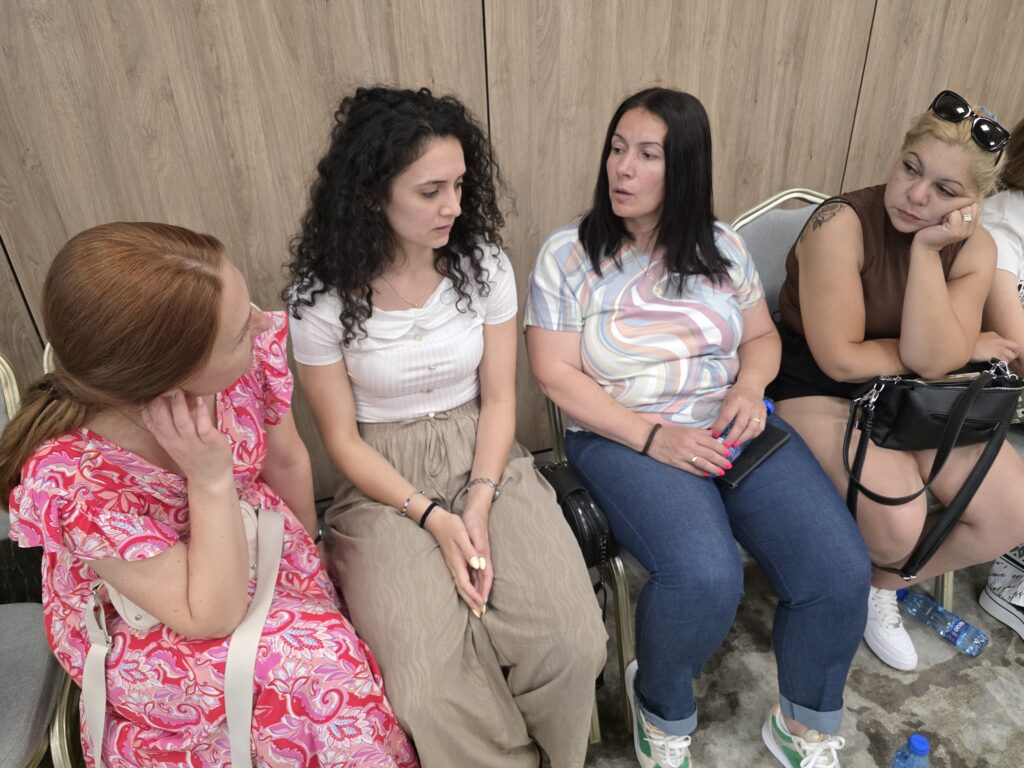
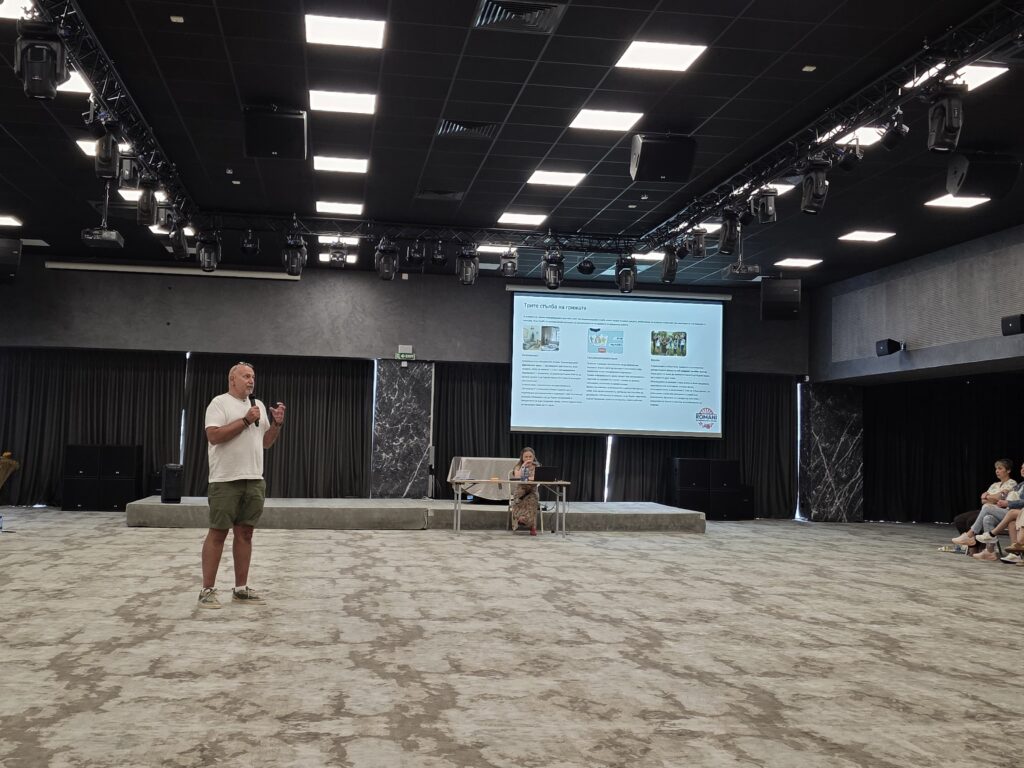
Together with professionals from the social, health, and education sectors, we explored practical approaches to recognising violence at an earlier stage, building trust, and connecting women with appropriate support.
During the training, we discussed:
- how to recognise signs of violence, including when they are not visible;
- how to have a sensitive and supportive conversation with a woman who may be experiencing violence;
- how to apply a trauma-informed approach that places a person’s safety, dignity, and needs at the centre;
- how social, health, and education services can work together more effectively so that women receive timely and coordinated support.
A Common Language for Better Support
Effective violence prevention does not depend solely on one professional recognising a warning sign. It requires trust, coordination, and a clear understanding among different services of who can help and how.
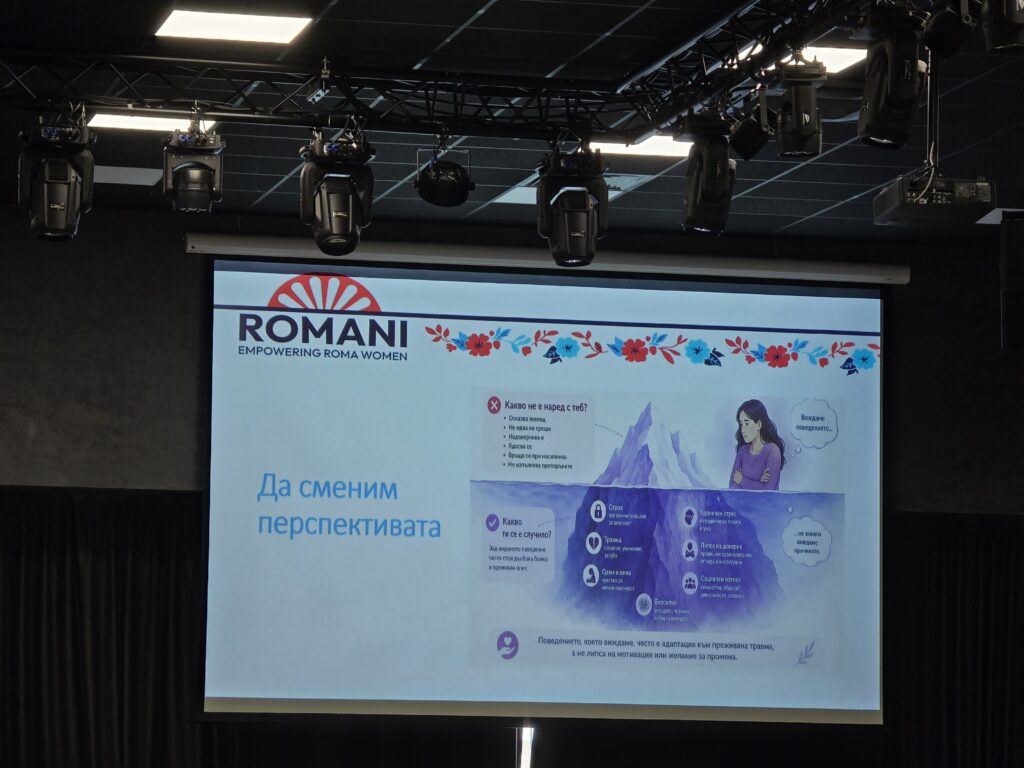
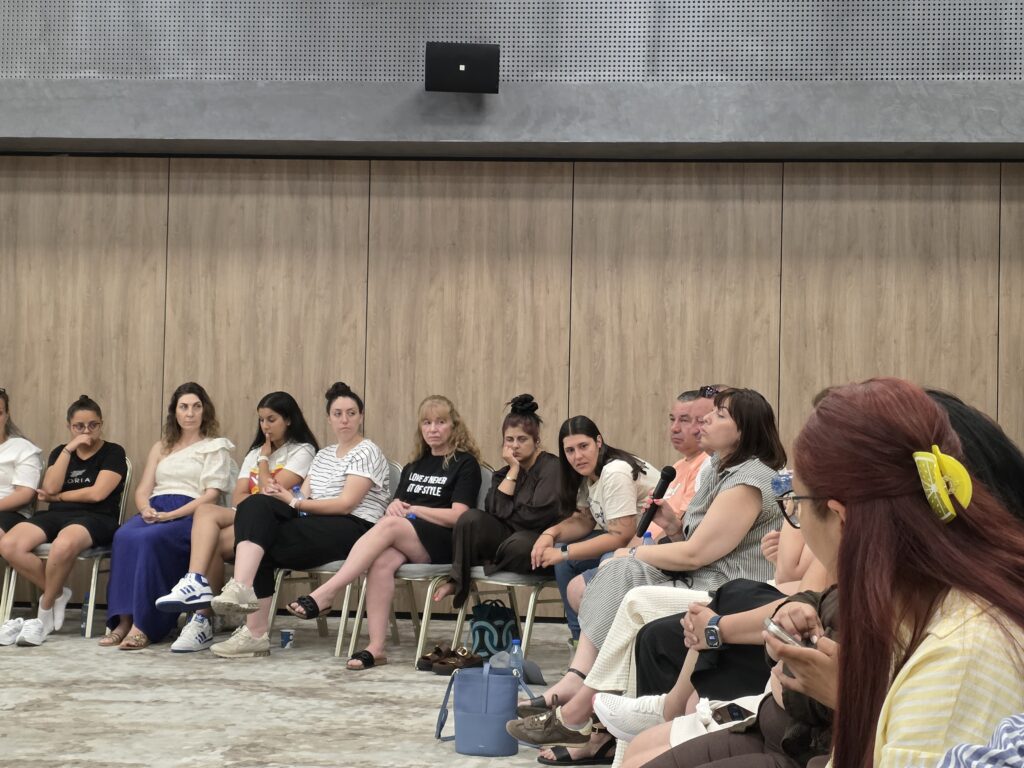
That is why trainings like this are an important part of building a more connected support system – one in which women do not have to navigate their way through different institutions and services on their own.
Because recognising violence is only the first step. True support begins when you know how to respond, where to refer a woman for help, and how to stand by her on the path towards a safer life.
We thank all participants for their professionalism, active engagement, and willingness to share their experience. With every meeting and every new piece of knowledge, we strengthen the connections between services – and increase the chances that a woman will be heard, understood, and supported in time.
This publication is part of the ROMANI project, co-funded by the European Union.