

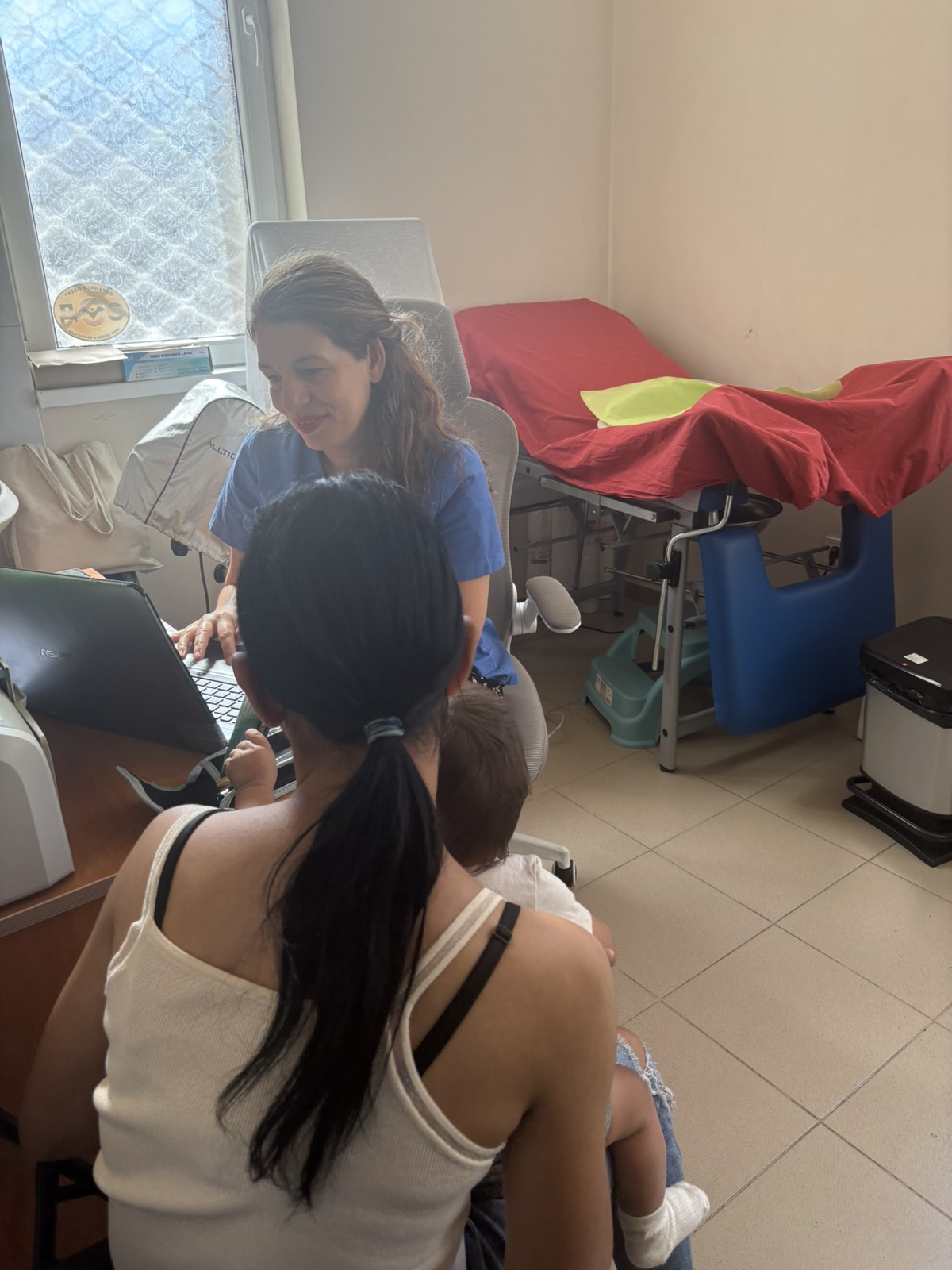
Respiratory diseases are among the leading causes of morbidity in childhood, with asthma being the most common chronic disease in children and affecting a significant proportion of them. In Bulgaria, there is also a problem with late diagnosis and undiagnosed cases, which further aggravates the health status. In neighborhoods with a high concentration of poverty, the incidence of diseases is significantly higher compared to the general population. This is due to a combination of unfavorable factors – poor air quality, high levels of particulate matter due to lack of infrastructure and the presence of unpaved streets, as well as the incineration of waste for heating. Exposure to dust, irritants and polluted air is among the main factors in the development and exacerbation of asthma and other respiratory diseases in children.
Additionally, the diets of people living in these areas with a high concentration of poverty are often unbalanced and poor in essential nutrients, leading to a weakened immune system and increased susceptibility to infections. Data from our study among children in the Roma community in Samokov show serious nutritional deficiencies associated with more frequent illness. The results confirm a high incidence – 84% of children have been ill in the last year, and 78% of them – from diseases of the respiratory tract. In this context, an intervention aimed at early diagnosis, improving the environment and working with parents is needed.
The target group of the project is approximately 100 children aged 3 to 12 years from vulnerable families living in the Roma neighborhoods of Samokov and Fakulteta district, Sofia. Children are at increased risk of respiratory diseases due to a combination of adverse factors – polluted environment, high levels of particulate matter, lack of infrastructure, incineration of heating waste and unbalanced diet, which affects the immune system.
Frequent diseases are observed, as well as problems associated with nutritional deficiencies and weakened immunity.
The project will also involve about 40-60 parents who have a key role in caring for children’s health.
The aim of the project is to improve the early diagnosis and prevention of respiratory diseases in children from vulnerable communities, while increasing sensitivity to the influence of the main risk factors – polluted environment and unbalanced diet.
The project aims to increase access to medical examinations and early recognition of symptoms, including asthma and respiratory tract infections, which often go undiagnosed or are detected late. If necessary, children will also be referred for further diagnosis, including anemia, which is often associated with an unbalanced and deficient diet.
At the same time, the project aims to create a healthier environment for children by improving air quality in the places where they spend a significant part of their time, as well as to raise parents’ awareness of the relationship between nutrition, living conditions and the incidence of diseases.
Activities:
- Conducting screening and medical examinations
- Clean air for our children
- Group meetings with parents
Place: Sofia, Fakulteta neighbourhood – MID Center – Suhodolska; Samokov, Quarter 7 – MID Center – Samokov
Duration: 7 months
Term: 1.06.2026, end date 31.12.2026
Funding: the project is funded by the Children’s Health Fund of the BCause Foundation

